National Housing Day was this past Sunday, and this year there’s something new to talk about. The federal budget, tabled November 5, aims to put Canada on a path to end homelessness within 10 years. It comes with real money: nearly $30 billion over a decade, including $10 billion for new supportive and transitional housing.
Ottawa has set big homelessness targets before, and yet we’re still here, with the problem getting worse. Maytree, one of the country’s most respected anti-poverty voices, called the plan a welcome first step backed by more substance than past promises. We agree. Cautious optimism is the right response.
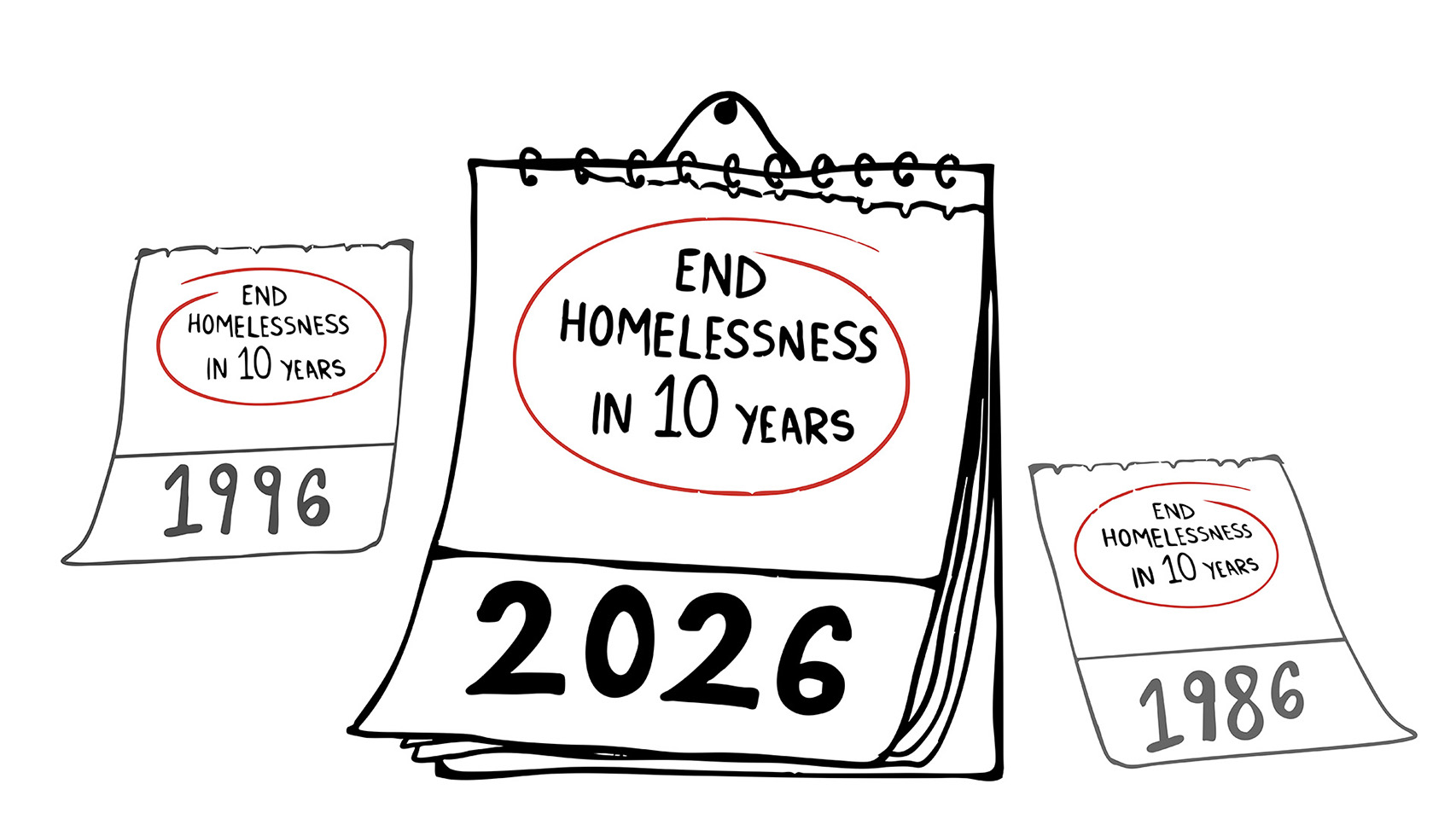
But at Yonge Street Mission, we’ve spent more than a century walking alongside neighbours experiencing long-term poverty in Toronto. So we want to be clear about what a first step is, and what it isn’t.
The math still doesn’t make sense
Today in Toronto, a full-time minimum-wage worker earns less than the poverty line. Full-time workers are now coming to food banks to get by, and Daily Bread Food Bank’s Who’s Hungry 2026 report found that 1 in 4 clients spend their entire income on housing.
The math doesn’t make sense, and we see the impact on hard-working neighbours every day.
The budget does take a step here, with an expanded workers benefit and another one-time top-up to the groceries and essentials benefit. These help, but they won’t close the gap on their own.
“Homelessness doesn’t start on the street. It starts when income can’t cover rent.”
We can’t build our way out of this problem
The budget leans heavily on building. Build Canada Homes is set to deliver 200,000 new homes over the next decade. New supply matters, and we welcome it.
But the number of units we need to meet demand is unrealistic. Clearing Toronto’s rent-geared-to-income waitlist alone would require more units than Canada has ever built in a single year. It’s not enough to build housing alone. The budget also says nothing about how many of those new homes will be deeply affordable.
For the community members YSM serves, defining “affordable” is key: when the majority of your paycheque goes toward rent, the money runs out before the month does. That’s the crux of the issue. We need to solve for both housing affordability and income.
Our systems punish progress
In our current system, people often go backwards even as they work hard to move forward. A neighbour on Ontario Works who lands a hard-earned job to earn a little more can lose all their government benefits and end up worse off.
“That isn’t a personal failure. It’s a design flaw.”
The real test comes next
As the plan moves from budget to bilateral agreements, here’s what we’ll be watching for:
- Assess the root causes of homelessness in our social income, housing, and health care systems. Make real change so these systems prevent more people from falling into homelessness. If we don’t, we will never get ahead of this crisis.
- Run the numbers and make a plan: Calculate the number of people experiencing homelessness (including precariously housed individuals). Determine the actions required to provide each person with adequate housing and develop a plan to realize this goal in 10 years.
- Cost it and resource it creatively: The number will be big, too big. Bring together different government divisions and societal stakeholders, and design a resourcing solution that works.
We believe that correcting social and minimum wage incomes so they are at or above the poverty line would go a long way toward making the rest of the solution easier to fund.
This budget is a first step. Let’s make sure it reaches the people who need it most.
Learn more about what YSM is doing to help provide solutions to this at ysm.ca/elev8.